


LED Face Mask
Red & Near-Infrared Light Therapy
- Description
- Directions For Use
- Warning
Red & Near-Infrared Light Therapy
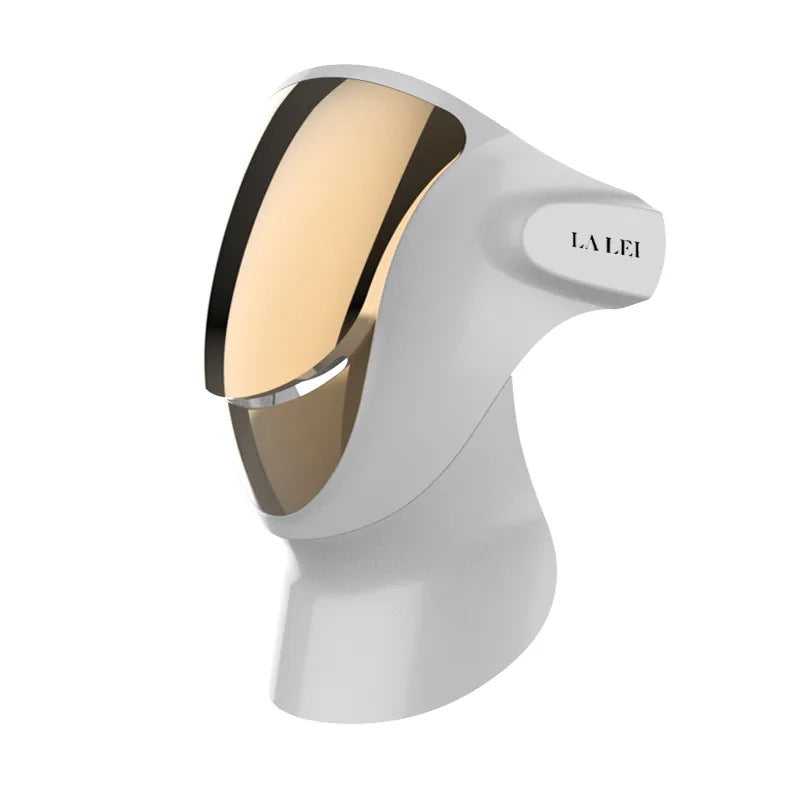
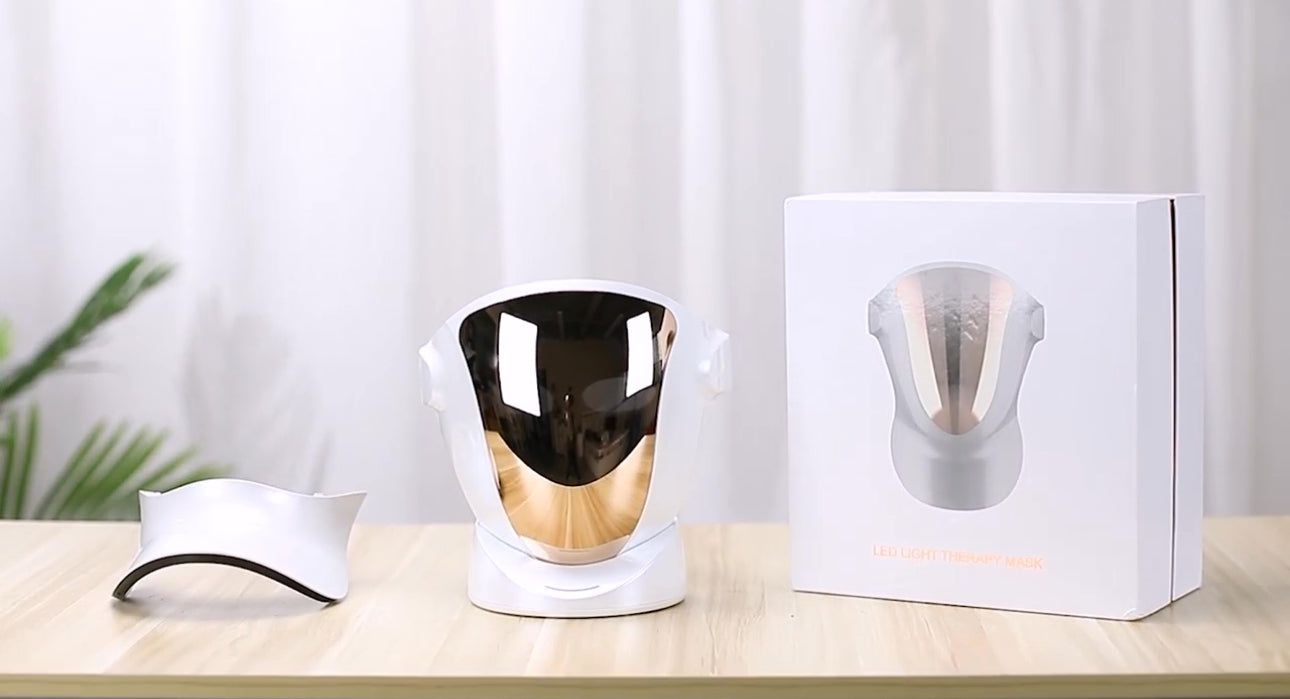
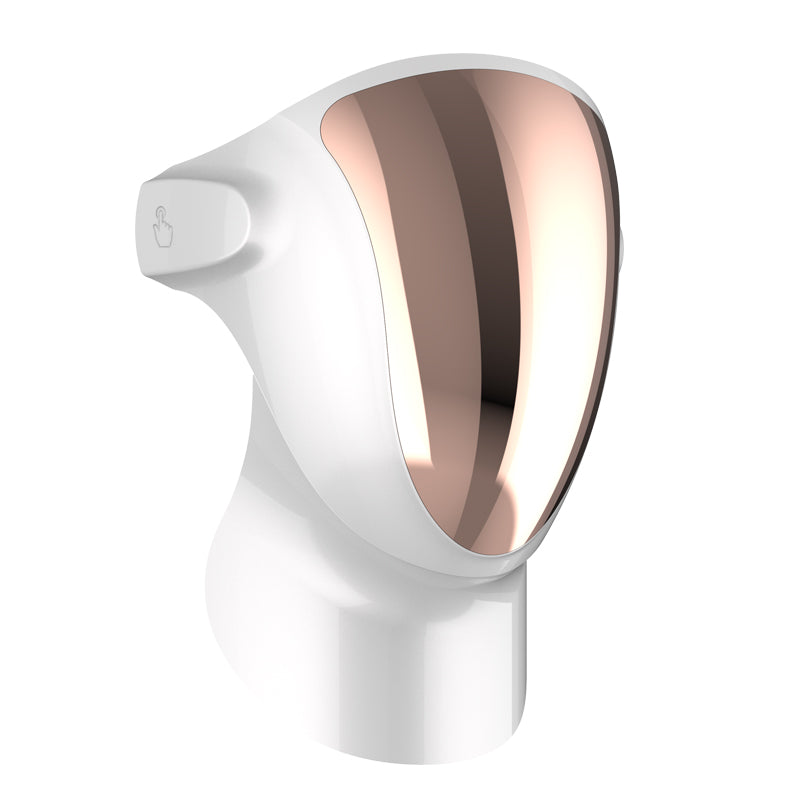
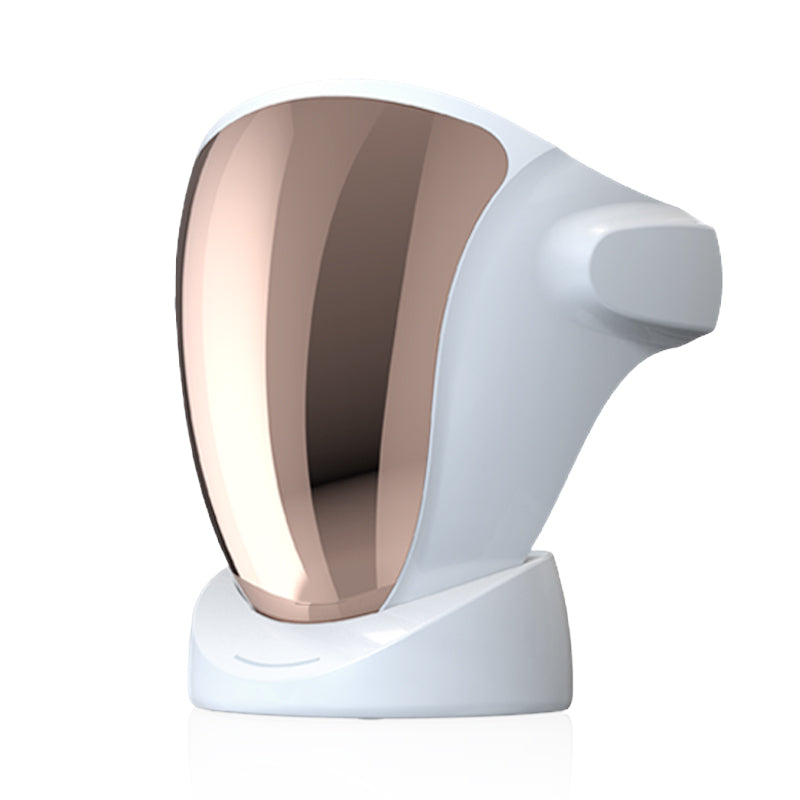
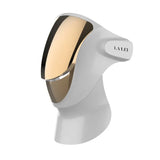
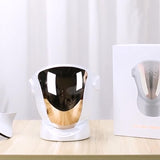
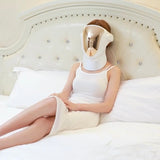
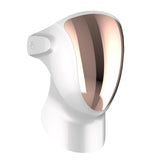
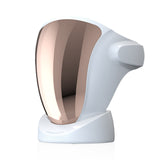
LED Face Mask is La Lei's at-home light therapy ritual — four wavelength categories, delivered across the full face in a single, considered 20-minute session. A quiet, easy addition to your evening routine.
What Is LED Light Therapy?
LED light therapy uses light-emitting diodes — small, low-heat lights — to deliver specific wavelengths of light to the skin. It's a broad category that spans everything from professional clinic devices to at-home masks and handheld tools, and it's built around a simple idea: different wavelengths of light are categorised by colour, and different colours are associated with different areas of focus.
The term you'll often see alongside LED light therapy is photobiomodulation — put simply, it describes how certain wavelengths of light, typically red and near-infrared, interact with the skin's cells. It's the term used broadly across the category, from cosmetic devices to clinical research settings, though the depth and quality of evidence varies significantly depending on the wavelength, the dose and the specific application being studied.
Understanding the Wavelengths
| Wavelength | What it is |
|---|---|
| Red light | Sits at the longer end of the visible spectrum. It's the wavelength most commonly associated with at-home LED skincare devices, and the one most people picture when they think of red light therapy. |
| Near-infrared (NIR) light | Sits just beyond visible red, invisible to the eye. It's often paired with red light in LED devices, and is generally considered to reach further beneath the skin's surface than visible light alone. |
| Blue light | Sits at the shorter end of the visible spectrum. It's more typically discussed in the context of surface-level use, and is a common inclusion in multi-wavelength LED devices. |
| Orange light | Sits between red and yellow on the visible spectrum. It's a less universally standardised category than red, NIR or blue, and is included in some multi-wavelength devices, La Lei's among them. |
For a closer look at how red and near-infrared specifically differ, see Red vs Near-Infrared Light Therapy.
Why different wavelengths are used in LED skincare
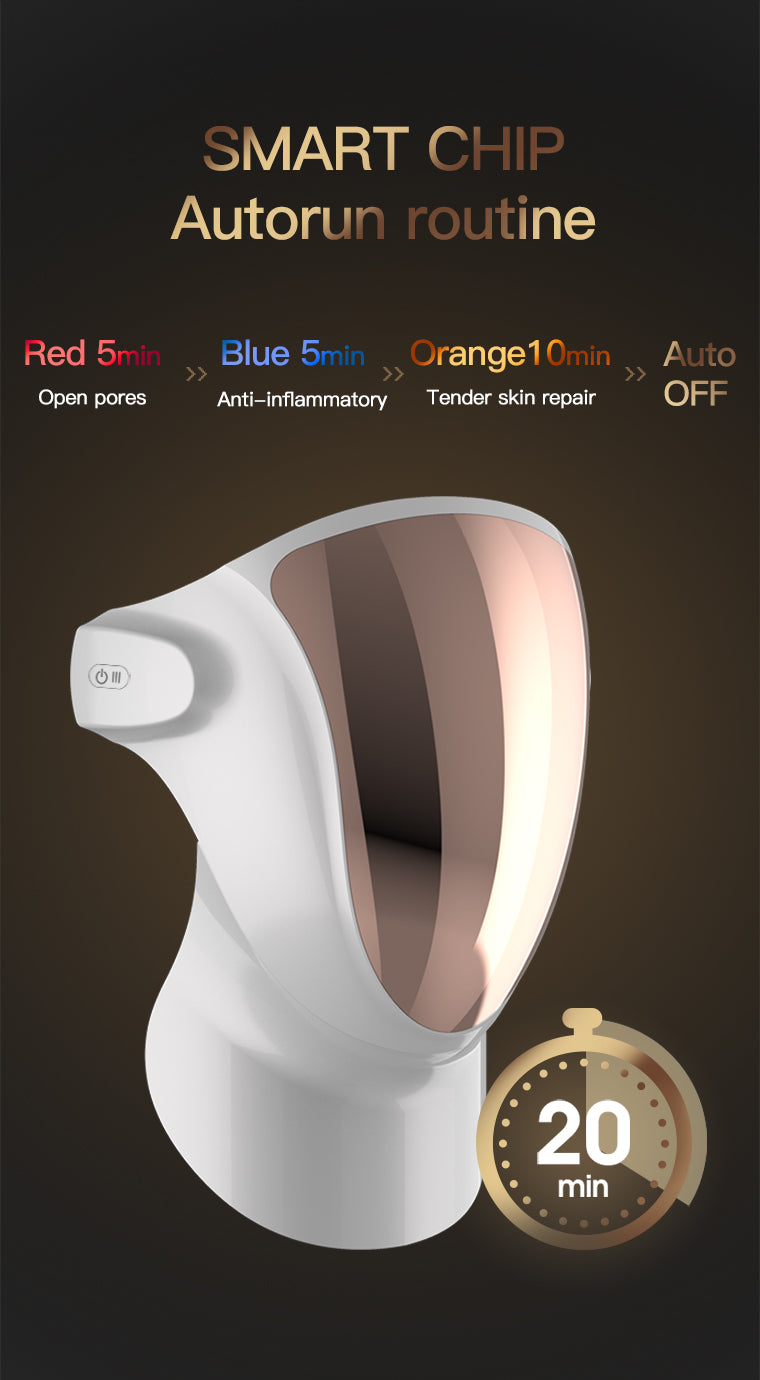
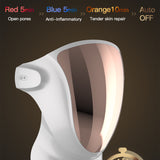
LED devices are usually built around more than one wavelength because different wavelengths are categorised differently and are traditionally associated with different depths of focus — this is why you'll see multi-wavelength devices marketed as offering a fuller routine than a single-colour light. La Lei's LED Face Mask offers four of these wavelength categories in one session: red, near-infrared, blue and orange.
The La Lei LED Face Mask
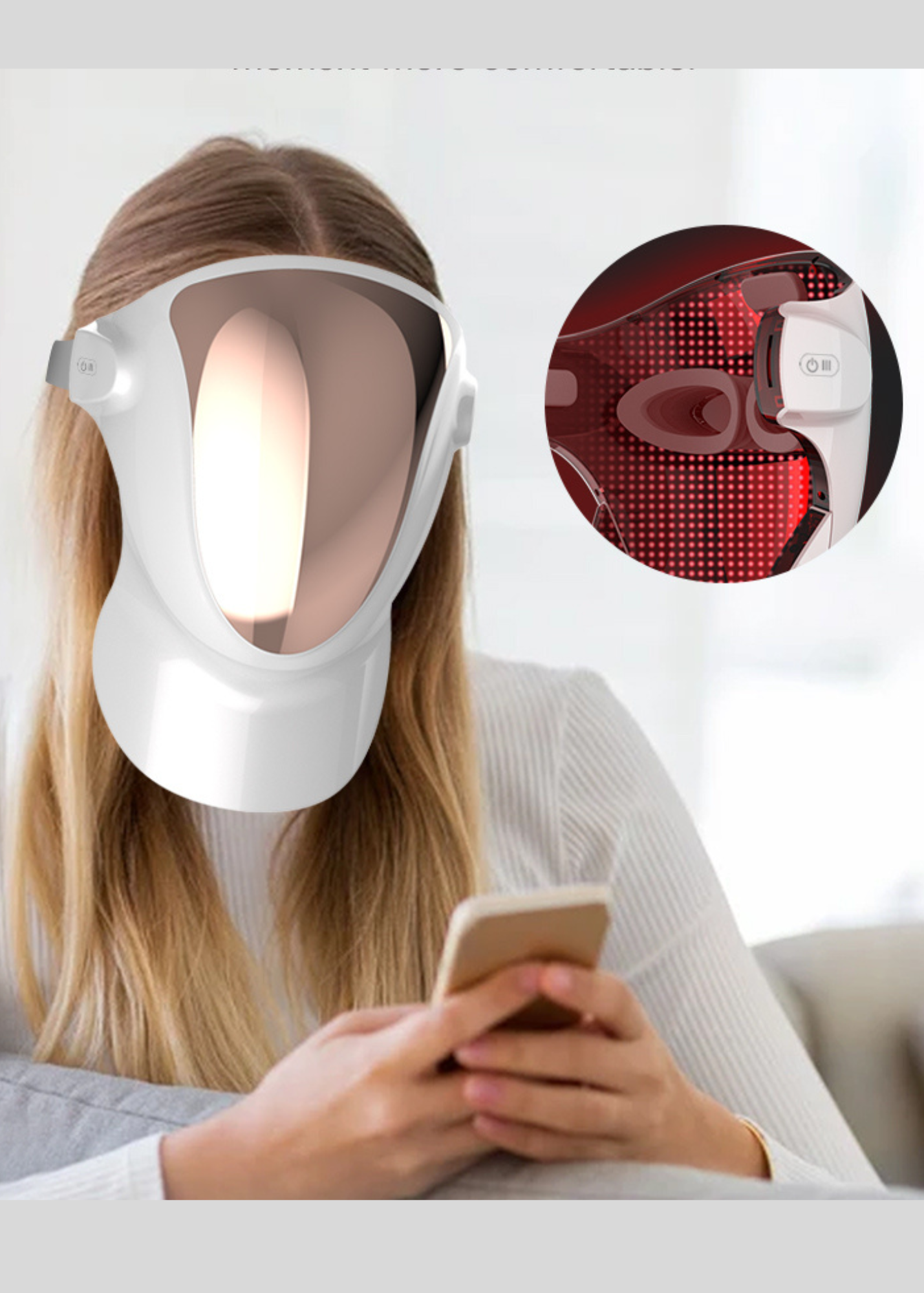
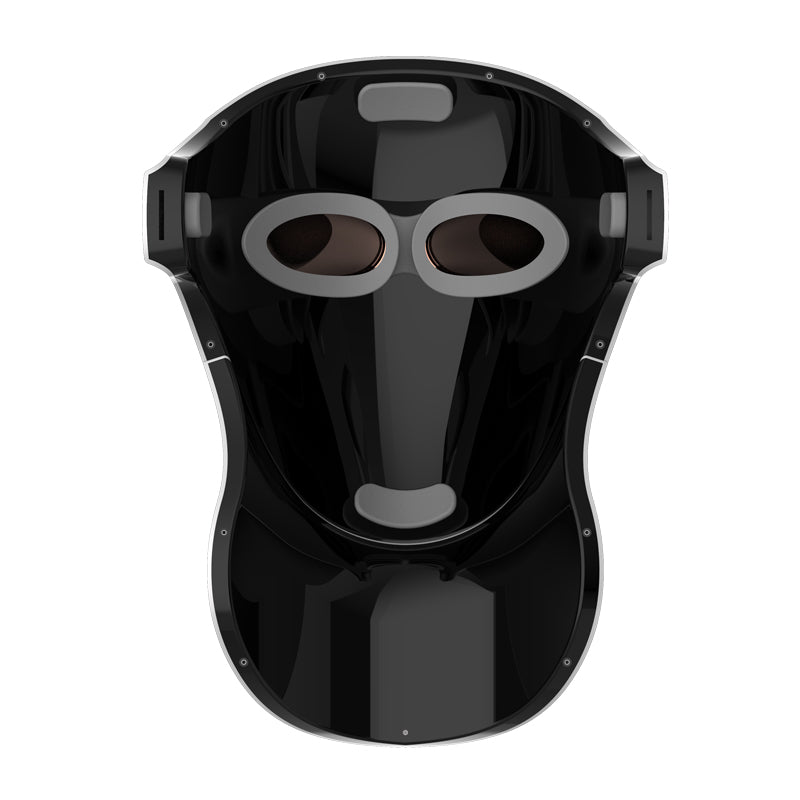
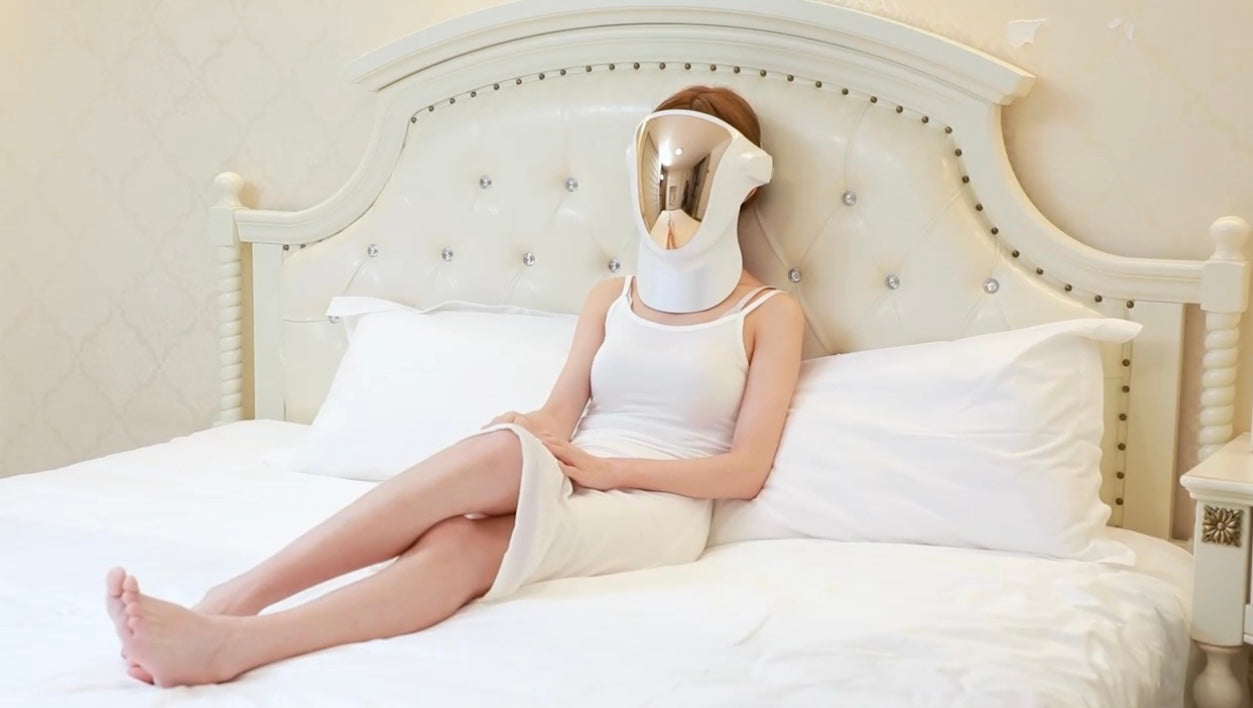
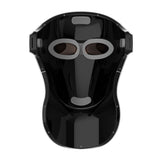
Four wavelength categories — red, near-infrared, blue and orange — deliver light therapy across the full face. Each session takes around 20 minutes, worn as part of your evening ritual.
How to Use
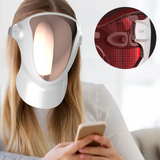
Cleanse skin, then wear the mask for a 20-minute session.
LED devices are typically used on cleansed, product-free skin, since the light needs direct contact with skin to work as intended — this is common guidance across the LED light therapy category generally, not a claim specific to this device. Many people build an LED session into their evening routine, either on its own or before the rest of their skincare.
Who It's For
The LED Face Mask is La Lei's full-face, full-coverage light therapy ritual — an easy, passive step for anyone who wants to bring light therapy into their evening routine without added effort. If you're looking for a more targeted tool for a specific area, the Professional Portable LED Device offers a handheld alternative — see the comparison below, or browse the full LED Light Therapy range.
Choosing a Considered LED Device
Not every LED mask is built the same way. A few things are generally worth understanding before you buy: how many wavelength categories a device actually offers (rather than just one colour marketed several ways), whether the manufacturer discloses real specifications like irradiance, and whether the device carries any relevant regulatory registration. These are the kinds of details that separate a considered device from a low-cost light-up mask.
La Lei's LED Face Mask offers four confirmed wavelength categories and a considered 20-minute full-face session. Specification details like irradiance and formal certification are things we're working to confirm and publish transparently — until then, we'd rather tell you plainly what's confirmed and what isn't than overstate it. For a closer look at what's worth checking before you buy any LED device, see our guide: How to Choose an LED Face Mask in Australia.
LED Face Mask vs. Portable LED — Which Is Right for You
| LED Face Mask | Portable LED Device | |
|---|---|---|
| Format | Full-face wearable mask | Handheld, targeted device |
| Coverage | Full face, in one session | Targeted areas — face, neck or body |
| Session length | ~20 minutes | ~10–15 minutes per area |
| Best for | An easy, passive full-face ritual | Targeted attention, or layering into an existing routine |
Both devices offer red and near-infrared light therapy. The key difference is how they're designed to be used: the Face Mask provides full-face coverage in one wearable session, while the Portable LED Device gives you the flexibility to focus on individual areas of the face, neck or body. Many customers start with the Face Mask and add the Portable Device later for targeted attention — though there's no requirement to own both.
FAQs
What is LED light therapy?
LED light therapy uses light-emitting diodes — small, low-heat lights — to deliver specific wavelengths of light to the skin. Different wavelengths of light are categorised by colour, and different colours are associated with different areas of focus. Photobiomodulation describes how certain wavelengths, typically red and near-infrared, interact with the skin's cells — a term used broadly across the category, though the depth and quality of evidence varies by wavelength, dose and application.
What's the difference between red and near-infrared light?
Red light sits at the longer end of the visible spectrum and is the wavelength most commonly associated with at-home LED skincare devices. Near-infrared (NIR) light sits just beyond visible red, invisible to the eye — it's often paired with red light in LED devices, and is generally considered to reach further beneath the skin's surface than visible light alone.
What areas of the face can I use it on?
The mask is designed to cover the full face in one session.
How long does a session take?
Around 20 minutes.
What's the difference between this and the Portable LED Device?
Both devices offer red and near-infrared light therapy. The key difference is how they're designed to be used: the Face Mask provides full-face coverage in one wearable session, while the Portable LED Device gives you the flexibility to focus on individual areas of the face, neck or body.
Is LED light therapy non-invasive?
Yes — LED light therapy doesn't involve needles, punctures or skin abrasion. It's a non-invasive, at-home light-based treatment worn like a mask, with no downtime.