LED Light Therapy
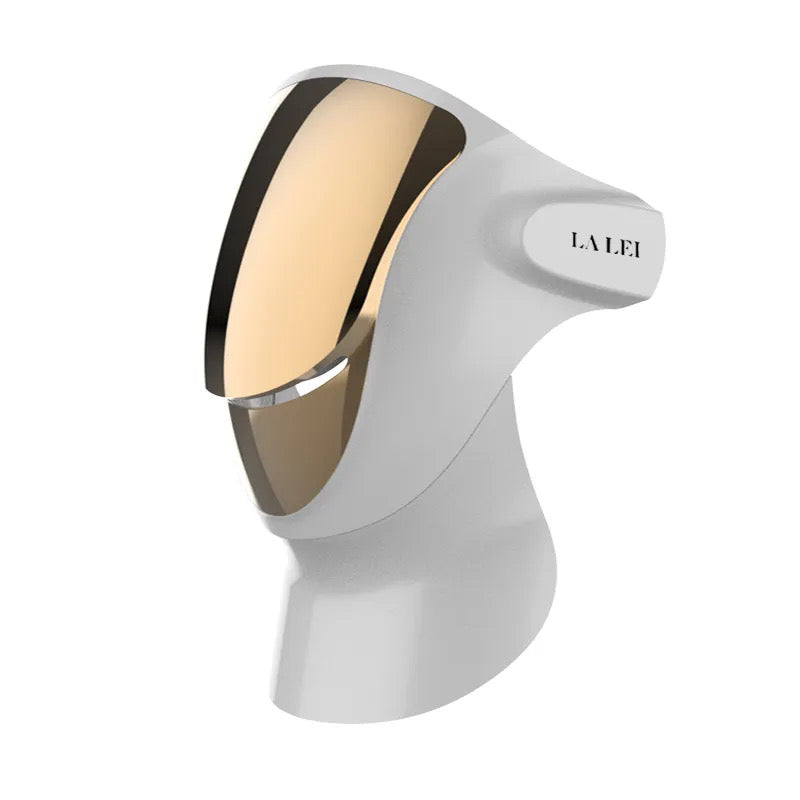
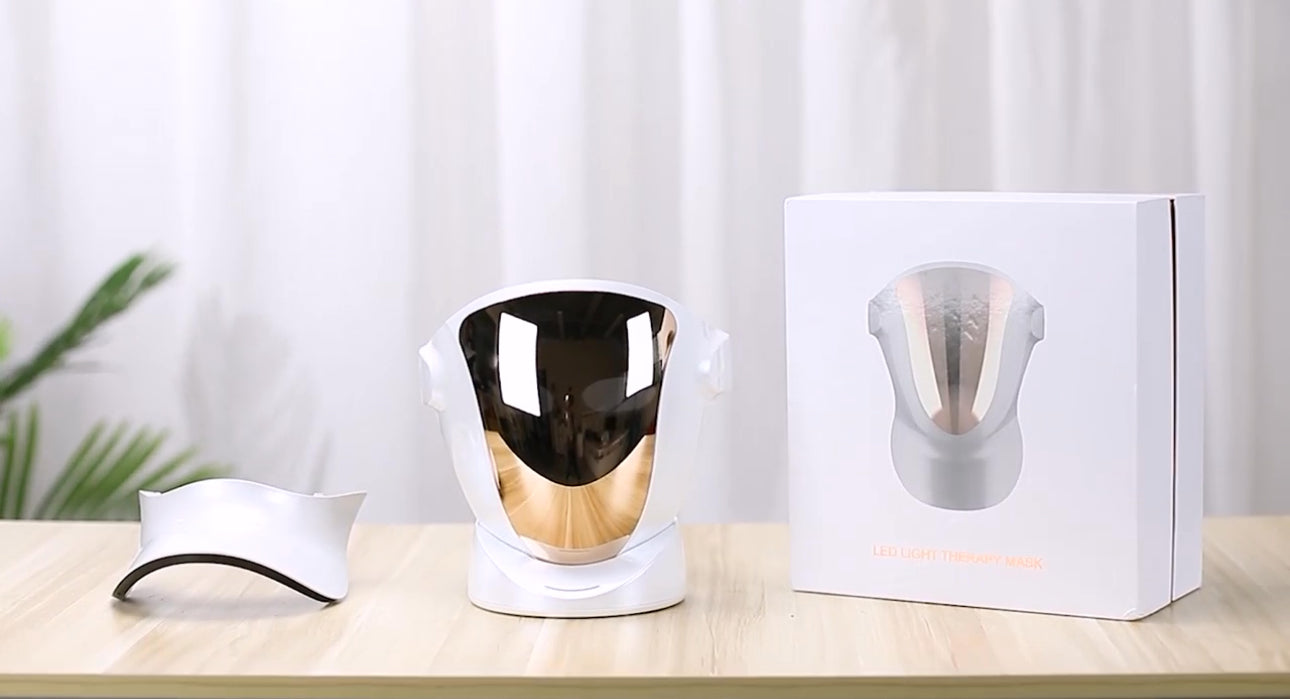
Red and near-infrared light therapy, at home. La Lei's LED Face Mask offers an easy, full-face wearable ritual; the Professional Portable LED Device gives you the flexibility to target specific areas of the face, neck or body. Both bring considered, professional-inspired light therapy technology into your evening routine.
New to LED light therapy? Start with our guides: How to Choose an LED Face Mask in Australia and Red vs Near-Infrared Light Therapy.
What Is LED Light Therapy?
LED light therapy uses light-emitting diodes — small, low-heat lights — to deliver specific wavelengths of light to the skin. It's a broad category spanning professional clinic devices through to at-home masks and handheld tools, built around a simple idea: different wavelengths of light are categorised by colour, and different colours are traditionally associated with different areas of focus.
Understanding Photobiomodulation
You'll often see the term photobiomodulation alongside LED light therapy. Put simply, it describes how certain wavelengths of light — typically red and near-infrared — interact with the skin's cells. It's used broadly across the category, from cosmetic devices to clinical research settings, though the depth and quality of evidence varies by wavelength, dose and the specific application studied. We'd rather explain the concept plainly than overstate what any one device does.
LED Face Mask vs Portable LED — Choosing the Right Format
Both La Lei devices offer red and near-infrared light therapy — the difference is format. The LED Face Mask covers the full face in one wearable, ~20-minute session, ideal if you want an easy, passive ritual. The Professional Portable LED Device is handheld and targeted, better suited to focusing on a specific area of the face, neck or body, or layering into an existing routine. Many customers start with the mask and add the portable device later for targeted attention — there's no requirement to own both. See the full comparison on either product page.
Bringing LED Into Your Routine
LED devices are typically used on cleansed, product-free skin, since the light needs direct contact with skin to work as intended — common guidance across the category generally. Most people build a session into their evening routine, either on its own or before the rest of their skincare. As with any new addition to a routine, consistency matters more than intensity — a considered, regular session fits more naturally into daily life than an occasional long one.
Choosing a Considered LED Device
Not every LED device is built the same way. A few things are generally worth understanding before you buy: how many wavelength categories a device actually offers, rather than just one colour marketed several ways; whether the manufacturer discloses real specifications; and whether the device carries any relevant regulatory registration. These are the kinds of details that separate a considered device from a low-cost light-up mask — see our full guide, How to Choose an LED Face Mask in Australia, for what's worth checking.
FAQs
What is LED light therapy?
LED light therapy uses light-emitting diodes to deliver specific wavelengths of light to the skin — a category spanning full-face masks through to handheld, targeted tools. Photobiomodulation describes how certain wavelengths, typically red and near-infrared, interact with the skin's cells.
Should I choose the LED Face Mask or the Portable LED Device?
It depends on how you want to use it. The Face Mask suits an easy, full-face, passive ritual; the Portable Device suits targeted attention on a specific area, or layering into an existing routine. Both offer red and near-infrared light.
How often should I use LED light therapy?
Most people build a session into their evening routine a few times a week, though this can vary by device and personal routine. Check the specific product page for session-length guidance.
Do I need to use LED light therapy on bare skin?
Yes — LED devices are typically used on cleansed, product-free skin so the light can reach the skin directly, which is common guidance across the category.
What should I look for when choosing an LED device?
The number of genuine wavelength categories offered, whether the manufacturer discloses real specifications, and any relevant regulatory registration. See our full buying guide for more detail.
Is LED light therapy non-invasive?
Yes — LED light therapy doesn't involve needles, punctures or skin abrasion. Both La Lei devices are non-invasive, at-home light-based treatments, with no downtime.